

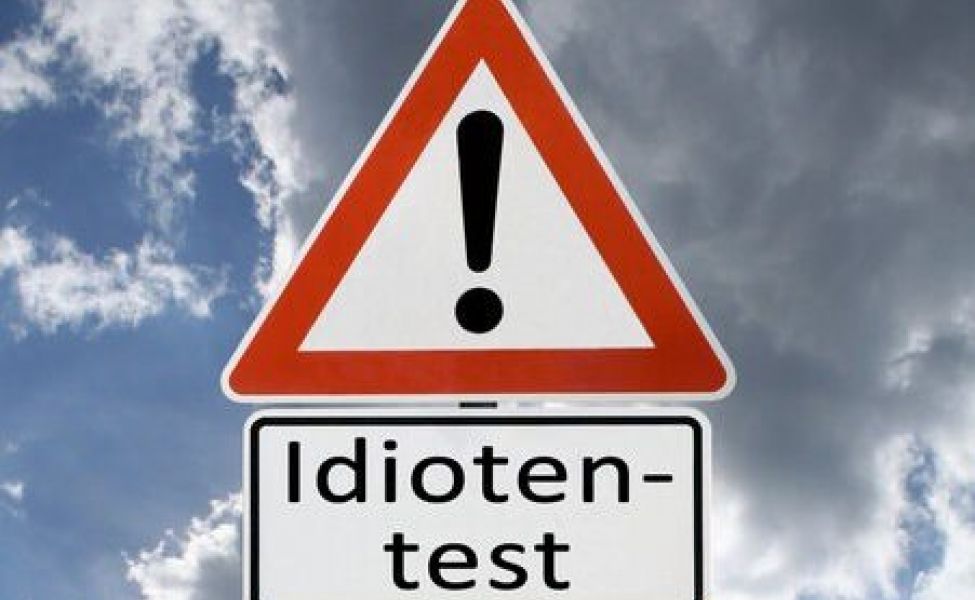
Over 200,000 drivers in Kazakhstan have had their licenses revoked since the stricter Code of Administrative Offenses was introduced in 2022
Kazakhstan may introduce a special psychophysiological test for repeat traffic offenders, inspired by a practice used in Germany. Senate Deputy Marat KOZHAYEV has proposed that motorists who repeatedly commit the same traffic violations be subjected to such a test, which could result in the revocation of their driver’s licenses, The Times of Central Asia reports
German “Idioten Test” as a Model for Kazakhstan
Speaking at a roundtable on road safety, Kozhayev, who has an extensive background in law enforcement, suggested adopting stricter policies for repeat offenders.
“In Germany, there is a so-called ‘Idioten Test,’ which drivers must undergo after committing three identical traffic offenses. This test is a serious challenge,” Kozhayev said. He believes a similar system in Kazakhstan could deter habitual violators.

Proposal to End Fine Discounts for Frequent Offenders
Kozhayev also advocated for the abolition of the 50% discount on traffic fines for drivers with more than ten recorded violations.
Currently, Kazakhstan allows fines to be paid at a 50% discount if settled within a week of issuance. However, Kozhayev pointed out that some drivers accumulate up to 300 violations per year. He cited official statistics from 2024, revealing that:
- 162,000 drivers committed between 10 and 100 violations.
- 500 drivers committed between 100 and 300 violations.
“These serial violators should not benefit from fine reductions,” Kozhayev emphasized. “If a driver wants to stand out on the road, let them bear full responsibility for their actions. Why should we continue forgiving violations and offering discounts?”
He believes that drivers with such an extensive history of infractions should have their licenses revoked altogether.
Debate Over Drunk Driving Penalties
Kozhayev also opposes any reduction in penalties for drunk driving, engaging in an indirect debate with Mazhilis Deputy Nikolai ARSYUTIN.
Arsyutin had recently argued that Kazakhstan’s seven-year license revocation policy for drunk driving was too harsh, particularly in cases where no accident occurred, and the alcohol level was minimal.
He also warned that harsh penalties create opportunities for police abuse, citing numerous citizen complaints about the objectivity of intoxication tests.
“There are concerns about the accuracy of alcohol and drug tests,” Arsyutin said, calling for standardized testing procedures.
More Than 200,000 Licenses Revoked Since 2022
According to the Ministry of Internal Affairs, over 200,000 drivers in Kazakhstan have had their licenses revoked since the stricter Code of Administrative Offenses was introduced in 2022. Arsyutin argues that most countries take a more flexible approach, adjusting penalties based on the degree of intoxication and the circumstances surrounding the offense.
This, he claims, would help reduce both the social backlash and corruption risks. Arsyutin has called on the Ministry of Internal Affairs to conduct a thorough review and propose unified rules for determining intoxication levels.
By the The Times of Central Asia.
Photo credit: AdobeStock.
YOU CAN SHARE YOUR OPINION AND DISCUSS THE ARTICLE ON OUR TELEGRAM CHANNEL!